Blog
Chapeau à Château Lafleur!

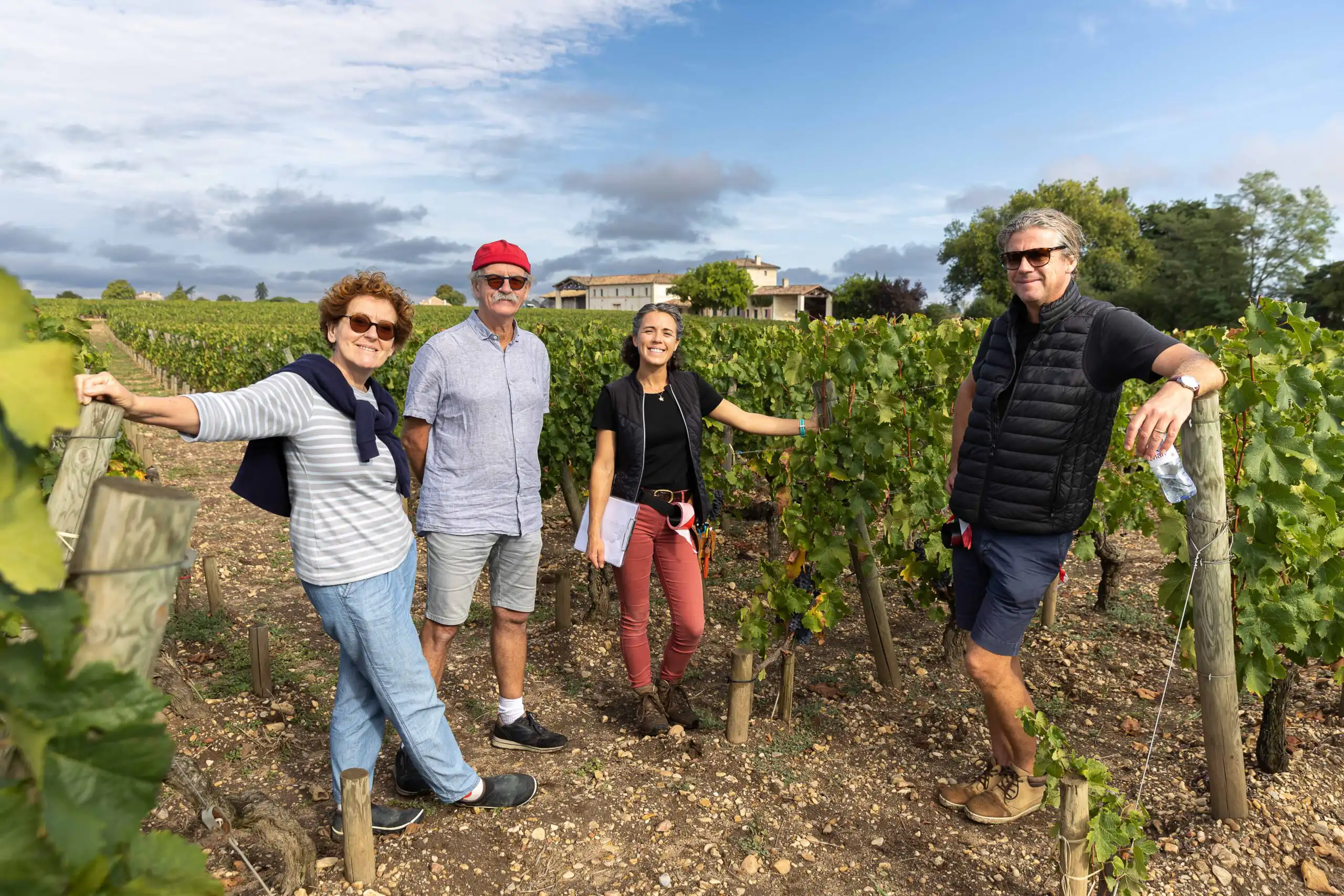
In a surprise announcement earlier this week Château Lafleur, very politely and respectfully, declared they will be leaving the Pomerol AOC, the rules of which were first drawn up in 1936. From the 2025 vintage, Château Lafleur will no longer bear the name “Pomerol’ on its babel but ‘Vin de France’. This is perhaps surprising, but not shocking, as some people seem to think. After all, Chateau Lafleur has always been a forward thinking, dynamic Château, particularly under the stewardship of the Guinaudeau family, who took over from cousins in 1985.
They remain one of the few family owned Chateau producing wines at the very highest level in Bordeaux. Rightly, they are always quick to remind us that they are not just owners, but farmers as well – perhaps it is the proximity of their noses to the soil that has prompted this latest move!?
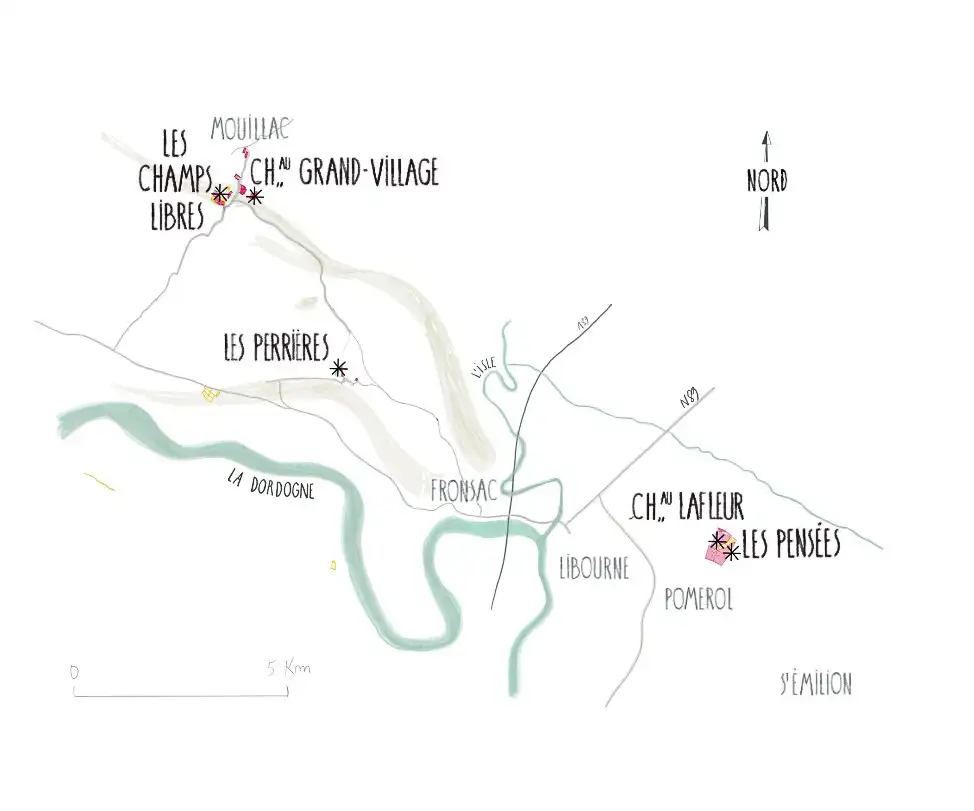
In their letter to ambassadors (of which Vinum Fine Wines are one), the family writes “Climate is changing fast and hard, that much is clear. The vintages, 2015, 2019, and above all 2022, were all strong evidence of that. 2025 goes a step further. We must think, readapt, act”. They go on to say that their decision making and practises are evolving much faster than the authority currently allows.
More recently they have explained what they want to do differently, which has nothing to do with grapes varieties, just farming techniques. These include unregulated irrigation, using soil covering techniques to prevent evaporation and canopy shading. They would also like to exercise more control over canopy height and the density of planting – both of which they would like the freedom to reduce.
All of these measures seem emminently sensible and have been tested, but are currently not permissible under the existing Pomerol guidelines. These guidelines do not change quickly.
Given Lafleur’s superb management to date, and their clarity of thought, we applaud their courage and decisiveness – something they can only execute so efficiently by being independently owned.

What does it mean for the rest of the appellation and more widely in Bordeaux, and France? Only time will tell is the answer, but the really big names do not rely on the classifications in the way smaller, less well known names do. People with any interest in wine know about Lafleur, their reputation precedes them. The same applies to Ausone and Cheval Blanc who have famously eschewed the Grand Cru Classé ‘A’ classification in recent years, La Gaffelière lower down the ladder, also.
It may even become cultish to follow this lead, particularly if it means saving your fruit. Join ‘Club Vins de France’ and have healthier crops – who knows?
Perhaps there will be an even greater rush to buy Lafleur en primeur next year with its new label – or will the old “Pomerol’ ones become even more collectable?
Maybe this heralds the beginning of a new era, one in which winemakers have more choice in how to make wine and where there’s even less information on French labels than there was before!
Watch winemaker Omri Ram explain what sets Château Lafleur apart HERE.
